Internet Ads Guide: Strategies and Insights for 2026
Did you know global spending on internet ads is set to surpass $800 billion by 2026? The world of internet ads is growing fast, becoming more personalised and sophisticated every year. With new platforms, formats, and privacy rules, it can feel overwhelming to keep up.
This guide is here to help you understand the latest internet ads strategies, from targeting and creative trends to data privacy and future predictions. Whether you are a business owner or a marketer, you will find practical tips and expert insights to boost your ROI and stay compliant. Dive into each section for actionable advice to succeed in the digital ad space.
The Evolution of Internet Ads: 2020–2026
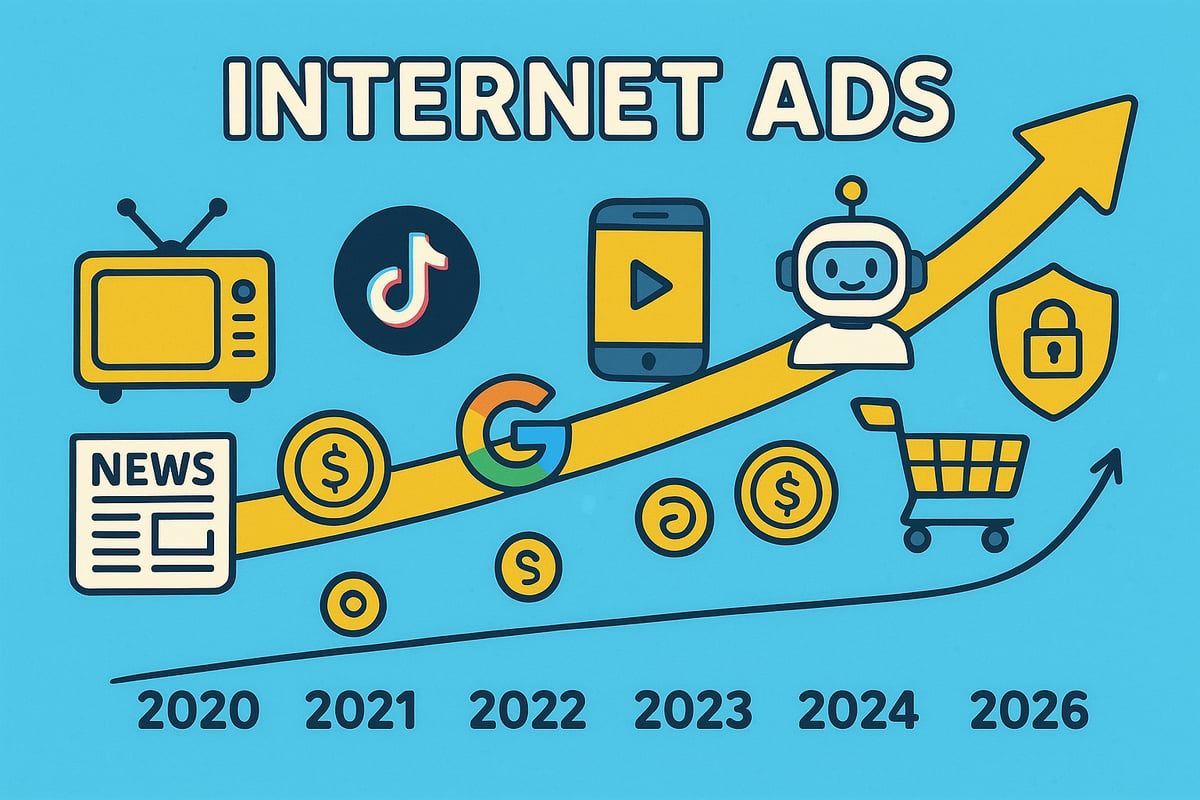
The story of internet ads over the past six years is nothing short of remarkable. In 2020, the world saw a surge in online activity, pushing brands to rethink their strategies. The pandemic accelerated the shift from traditional media to digital-first advertising. Businesses everywhere scrambled to meet audiences where they were spending time: online.
This period marked a turning point. Out went the old reliance on TV and print. In came internet ads, offering more measurable, targeted, and flexible options. Brands quickly learned that agility and a willingness to experiment with new channels would set them apart.
The Shift from Traditional to Digital-First
As digital channels took centre stage, the adoption of programmatic advertising soared. Programmatic technology enabled brands to purchase and place internet ads in real time, using data to target the right users at the perfect moment. Artificial intelligence played a growing role, streamlining ad buying and optimising campaigns automatically.
Mobile and video ad formats began to dominate. People spent more time on their smartphones, watching content on platforms like YouTube and TikTok. Video ads became a favourite for marketers, offering high engagement and storytelling power. The result was that internet ads became more dynamic and interactive than ever before.
Social Commerce, Influencers, and Exploding Budgets
Alongside these changes, social commerce and influencer marketing transformed the way brands connect with consumers. Platforms like Instagram and TikTok made it easy to shop directly within apps, blurring the lines between entertainment and ecommerce. Influencers, both mega and micro, became essential partners for brands seeking authentic engagement.
Global ad spend reflected this shift.
Privacy, Platforms, and the Need for Adaptation
However, this growth came with new challenges. Privacy regulations like GDPR and CCPA forced advertisers to rethink how they collect and use data. The phase-out of third-party cookies by Google signalled a move towards more privacy-centric approaches. Platforms had to innovate quickly, introducing new targeting methods and measurement tools.
TikTok’s rapid rise as an ad platform and Google’s evolving policies are just two examples of how fast the landscape can change. For anyone using internet ads, the lesson is clear: adaptability is key. We must stay alert to new formats, emerging platforms, and evolving regulations to keep our strategies effective and future-proof.
Core Internet Ad Formats and Platforms in 2026
The landscape of internet ads in 2026 is more dynamic than ever. New formats, smarter platforms, and innovative strategies are shaping how brands connect with audiences. Let's unravel the ad types and channels that matter most this year, so you can confidently choose where to
invest your budget.
Display, Video, and Native Ads
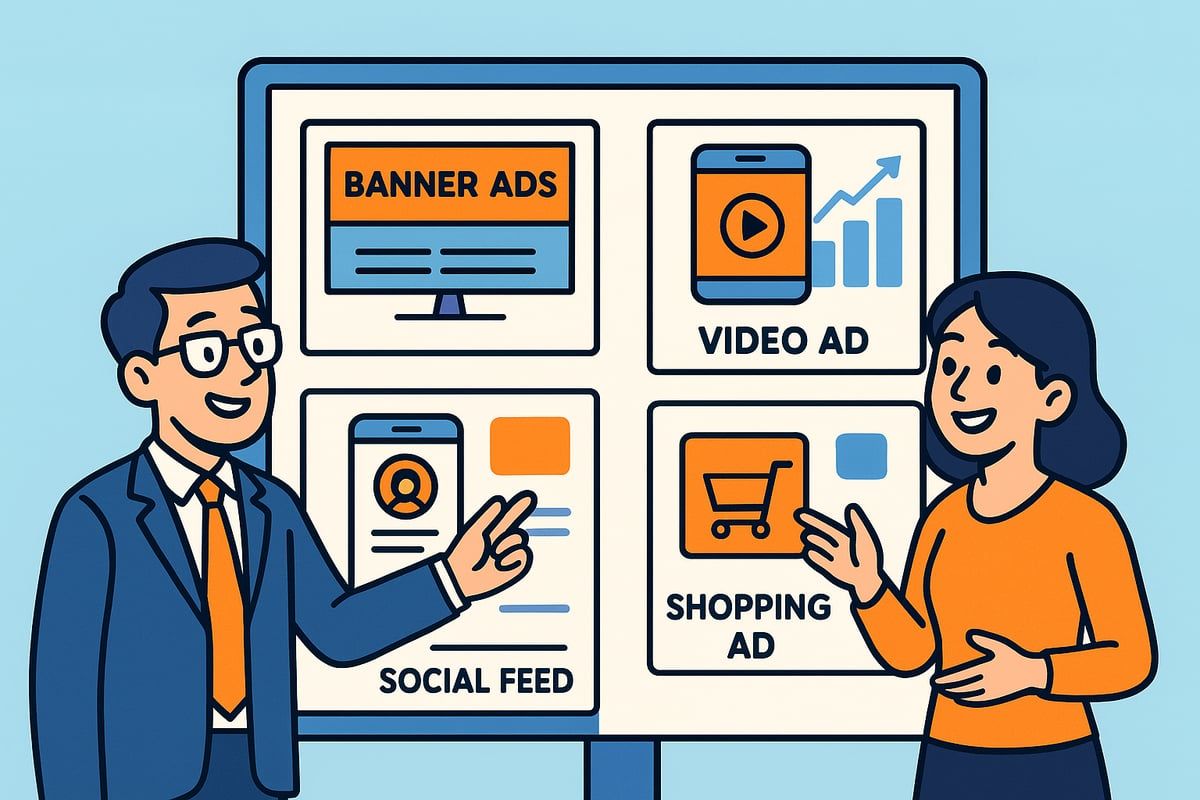
Display ads, video ads, and native ads remain the backbone of internet ads strategies in 2026. Display ads, like banners and sidebars, appear across websites and apps. Video ads, now dominating budgets, engage users on platforms such as YouTube and social feeds. Native ads blend seamlessly with page content, matching the look and feel of the site for a less intrusive experience.
A quick comparison of these internet ads formats:
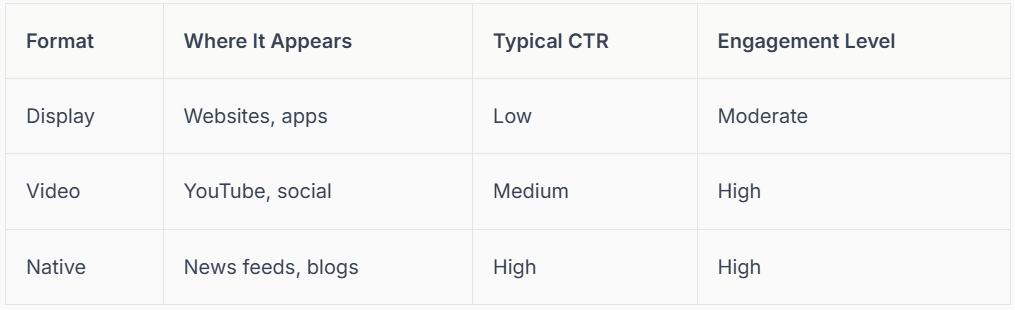
Performance-wise, native ads see higher engagement and viewability because they integrate so well with content. Video ads are especially powerful for storytelling, with recent data showing that global video ad spend will surpass £250 billion in 2026. YouTube’s skippable and non-skippable ad formats let marketers balance reach and user experience.
The rise of short-form video and interactive banners keeps internet ads fresh and engaging. To stand out, focus on seamless, user-friendly formats.
Search and Shopping Ads
Search ads are a cornerstone of internet ads, tapping into user intent through keyword bidding. When someone searches for a product or service, these ads appear at the top of results, making them highly effective for driving conversions. Google Shopping ads take things further, showing product images, prices, and ratings directly within search results.
Visual search is also gaining ground. Platforms like Pinterest and Google Lens let users search using photos, unlocking new opportunities for internet ads. AI-driven smart bidding and automated ad copy have made campaigns more efficient, helping brands reach the right users at the right moment.
Voice search is another trend to watch. As more people use voice assistants, optimising internet ads for conversational queries is essential. Brands that adapt their strategies for visual and voice search will stay ahead.
Social Media and Influencer Advertising
Social media is the heart of many internet ads campaigns in 2026. Platforms like Facebook, Instagram, TikTok, LinkedIn, and Snapchat offer a range of ad formats, from shoppable posts to Stories and immersive short-form videos. TikTok’s branded hashtag challenges, for example, are a playful way to
boost engagement and brand awareness.
Influencer partnerships remain a top tactic. Brands are shifting budgets toward micro-influencers, who often deliver more authentic connections with niche audiences. In fact, around 40% of total ad budgets are now spent on social media, reflecting its growing importance for internet ads.
Features such as in-app checkout and product tagging make it easier than ever to turn engagement into sales. Staying creative and authentic on social platforms is key to making your internet ads stand out in a crowded feed.
Advanced Targeting Strategies and Audience Segmentation
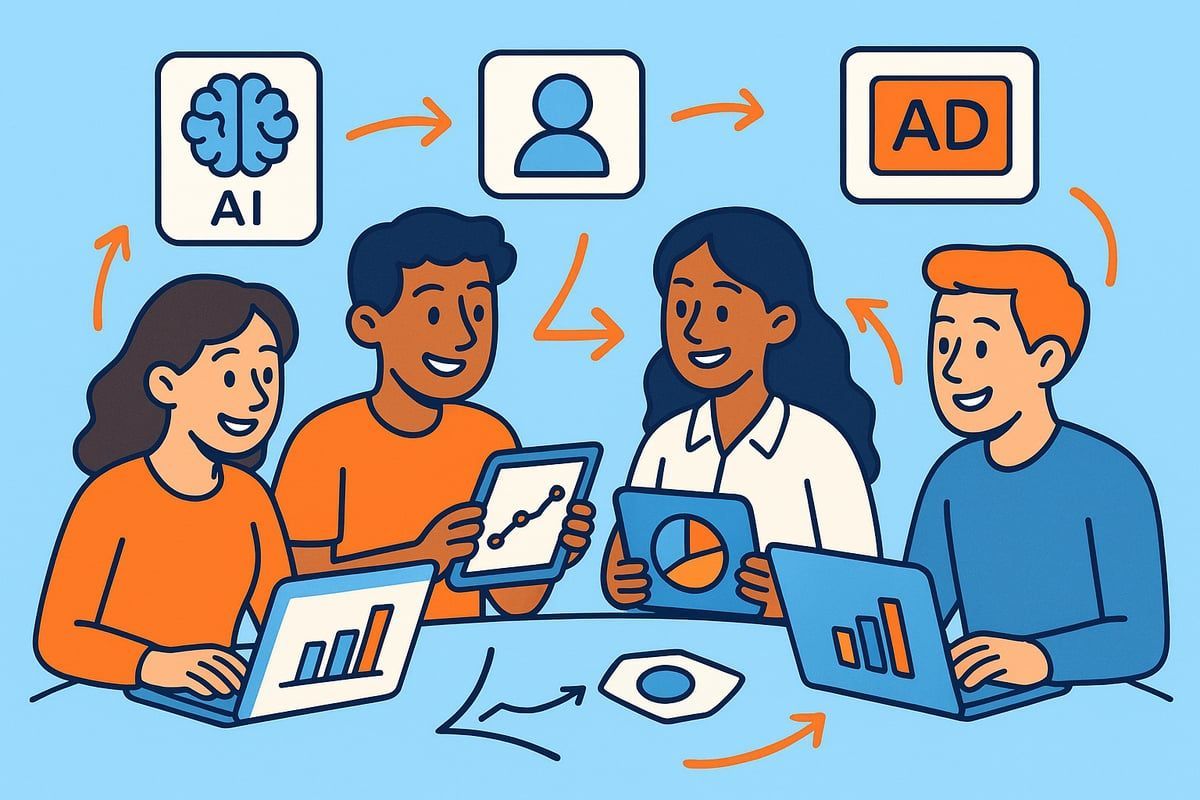
Navigating the world of internet ads in 2026 means understanding how to reach the right people, at the right time, with the right message. As digital landscapes evolve, so do the tools and tactics we use to connect with audiences. Let’s explore the advanced strategies shaping internet ads, from AI-powered targeting to personalisation at scale.
Performance-wise, native ads see higher engagement and viewability because they integrate so well with content. Video ads are especially powerful for storytelling, with recent data showing that global video ad spend will surpass £250 billion in 2026. YouTube’s skippable and non-skippable ad formats let marketers balance reach and user experience.
The rise of short-form video and interactive banners keeps internet ads fresh and engaging. To stand out, focus on seamless, user-friendly formats.
Search and Shopping Ads
Search ads are a cornerstone of internet ads, tapping into user intent through keyword bidding. When someone searches for a product or service, these ads appear at the top of results, making them highly effective for driving conversions. Google Shopping ads take things further, showing product images, prices, and ratings directly within search results.
Visual search is also gaining ground. Platforms like Pinterest and Google Lens let users search using photos, unlocking new opportunities for internet ads. AI-driven smart bidding and automated ad copy have made campaigns more efficient, helping brands reach the right users at the right moment.
Voice search is another trend to watch. As more people use voice assistants, optimising internet ads for conversational queries is essential. Brands that adapt their strategies for visual and voice search will stay ahead.
Social Media and Influencer Advertising
Social media is the heart of many internet ads campaigns in 2026. Platforms like Facebook, Instagram, TikTok, LinkedIn, and Snapchat offer a range of ad formats, from shoppable posts to Stories and immersive short-form videos. TikTok’s branded hashtag challenges, for example, are a playful way to boost engagement and brand awareness.
Influencer partnerships remain a top tactic. Brands are shifting budgets toward micro-influencers, who often deliver more authentic connections with niche audiences. In fact, around 40% of total ad budgets are now spent on social media, reflecting its growing importance for internet ads.
Features such as in-app checkout and product tagging make it easier than ever to turn engagement into sales. Staying creative and authentic on social platforms is key to making your internet ads stand out in a crowded feed.
Advanced Targeting Strategies and Audience Segmentation
Navigating the world of internet ads in 2026 means understanding how to reach the right people, at the right time, with the right message. As digital landscapes evolve, so do the tools and tactics we use to connect with audiences. Let’s explore the advanced strategies shaping internet ads, from AI-powered targeting to personalisation at scale.
Regulatory Landscape: GDPR, CCPA, and Beyond
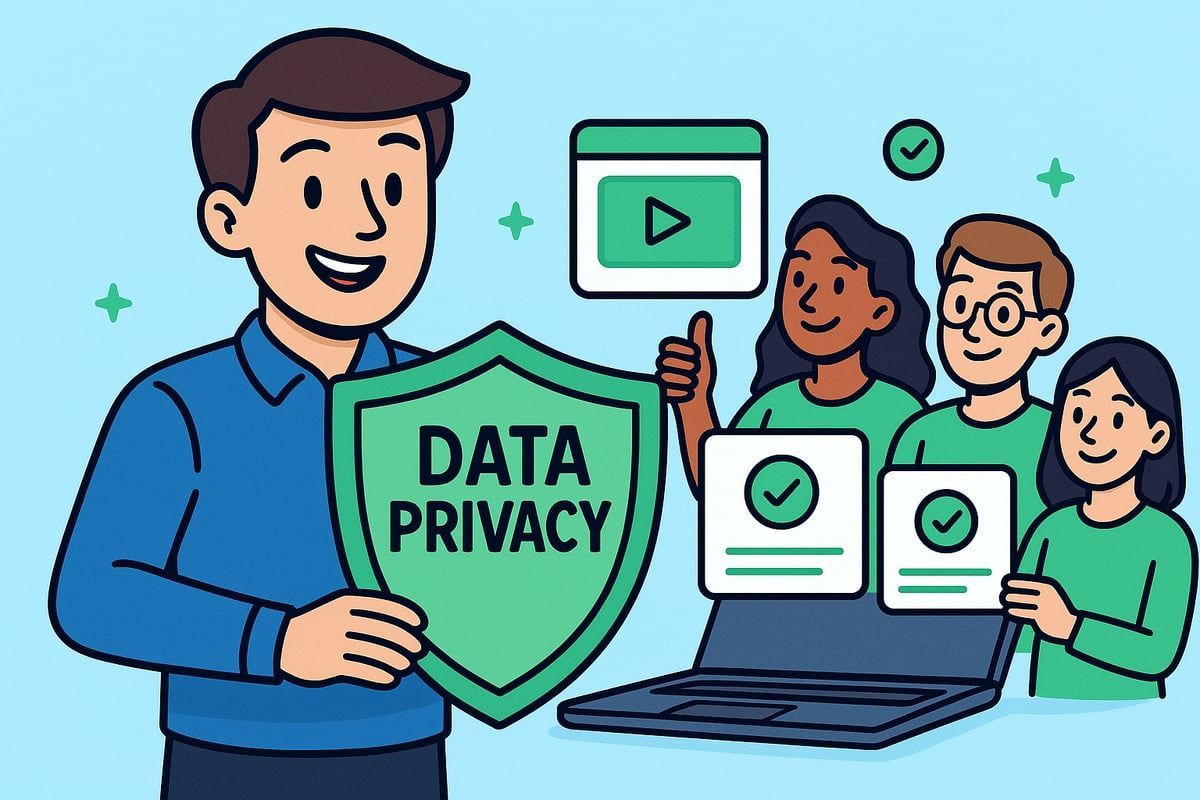
The rules around internet ads have changed dramatically in recent years. Major regulations like GDPR in Europe and CCPA in California set strict standards for collecting and using personal data in advertising. These laws require advertisers to get clear consent before tracking users, limit how much data is collected, and demand transparent privacy policies.
Globally, more regions are introducing privacy laws. We’re seeing tougher consent requirements and a strong push for data minimisation. For instance, advertisers must now prove they only collect what’s absolutely necessary for delivering internet ads. Companies that ignore these rules risk hefty fines and reputational damage.
Here’s a quick comparison of key compliance features:
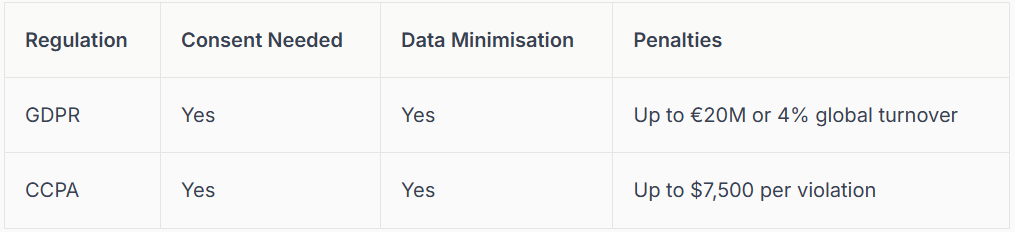
A recent example saw a major retailer fined for using internet ads without proper user consent. This shows why it’s essential to build privacy into every campaign and keep up with evolving global standards.
First-Party Data and Consent Management
With the decline of third-party cookies, brands are shifting their focus to first-party data for internet ads. First-party data is information you collect directly from your customers, such as through website interactions, loyalty programmes, or email sign-ups. This data is more reliable and privacy-friendly, which is crucial for successful internet ads in 2026.
Consent Management Platforms (CMPs) have become a must-have for advertisers. These tools help collect, store, and manage user permissions, making it easy to stay transparent and demonstrate compliance. CMPs also allow users to easily update their preferences, which builds trust and reduces the risk of complaints.
For example, many retailers now offer loyalty schemes that reward customers for sharing data, making the process feel like a win-win. According to recent studies, CMP adoption rates among internet ads professionals have soared, reflecting the urgency to put user choice front and centre.
To make the most of first-party data, brands should:
- Use transparent opt-in forms for all internet ads
- Regularly audit data collection practices
- Give users control over their information
By doing this, brands not only stay compliant but also build stronger customer relationships.
Building Consumer Trust in 2026
Trust is now a deciding factor in the effectiveness of internet ads. Consumers want to know who is targeting them, why, and how their data is used. Transparent ad labelling, clear privacy notices, and ethical data use are all essential for earning that trust.
Apple’s App Tracking Transparency (ATT) feature, for example, has reshaped how advertisers approach targeting. Many brands have seen reduced tracking capabilities but also improved consumer perception by being upfront about data use. In addition, brand safety tools, ad fraud prevention, and viewability checks are now standard in internet ads to protect both companies and consumers.
Trust gives brands a competitive edge. Research shows that consumers are more likely to engage with internet ads from brands they trust, even if they see fewer personalised messages. As privacy expectations rise, brands that invest in transparency and ethical practices will stand out in a crowded digital landscape.
Creative Excellence: Designing High-Impact Internet Ads
Creating stand-out internet ads in 2026 is about more than just grabbing attention. It’s about connecting with people, telling stories, and using the latest technology to truly engage. Let’s explore the creative trends, emotional hooks, and smart testing that set the best internet ads apart from the crowd.
Visual Trends and Interactive Formats
The world of internet ads is bursting with visual innovation. Brands are using augmented reality filters, interactive video, and 3D banners to make ads pop off the screen. These formats appear everywhere—social feeds, gaming apps, and even virtual stores—making the experience immersive and fun.
Top creative trends in 2026 include:
- AR ads that let users try products virtually, like sunglasses or makeup.
- Interactive video where viewers choose their own story or click to shop.
- 3D banners with animated effects that grab attention in a busy feed.
Mobile-first design is a must, ensuring internet ads look stunning and load fast on any device. Accessibility is also top priority, with clear text, alt tags, and easy navigation for everyone.
Recent data shows interactive ads can boost engagement rates by up to 40% compared to static formats. In fact, nearly 90 percent of advertisers plan to use generative AI to build video ads by 2026.
Storytelling and Emotional Engagement
Great internet ads do more than sell—they tell stories that spark emotion. Whether it’s a heartfelt video or a playful short-form ad, the power of narrative helps brands stay memorable.
Emotional engagement is key. Ads that make us laugh, feel inspired, or even shed a tear are more likely to be remembered and shared. For example, a YouTube campaign using real customer stories saw a 30% increase in brand recall.
To craft compelling stories in internet ads, keep these best practices in mind:
- Start with a relatable character or scenario.
- Use concise storytelling, especially in short-form video.
- Aim for an emotional hook—joy, surprise, empathy, or laughter.
- End with a clear call to action.
Short, impactful stories cut through the noise and make internet ads meaningful, not just noticeable.
Testing, Analytics, and Creative Optimisation
The secret to consistently high-performing internet ads is rigorous testing and smart optimisation. A/B testing helps you compare different headlines, images, or calls to action. Multivariate testing goes even deeper, analysing combinations of creative elements.
Here’s a quick table summarising common tests:
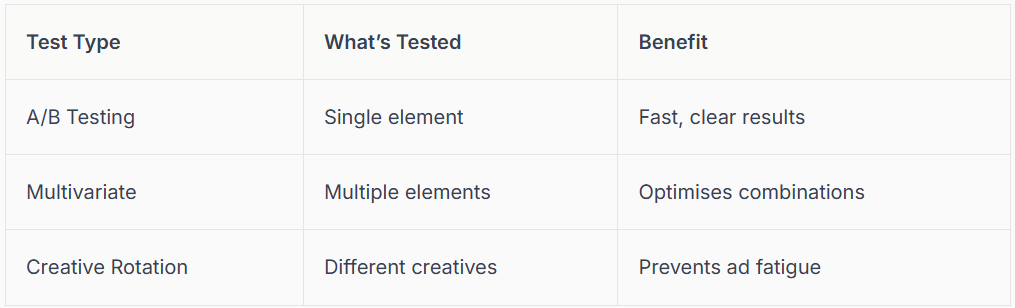
Real-time creative optimization tools analyse performance data and automatically adjust ads for better results. Brands using systematic creative testing see up to 25% higher ROI on internet ads.
Continuous improvement is the name of the game. By analysing what works and refining your approach, you can keep your internet ads fresh, relevant, and effective—every single campaign.
The Future of Internet Ads: Predictions and Strategies for 2026
The landscape for
internet ads is on the cusp of another major transformation as we head towards 2026. With automation, privacy, and immersive technologies driving change, brands must be ready to adapt quickly. This section explores what the future holds and how you can position your campaigns for success.
The Rise of Automation and Programmatic Everything
Automation is rapidly becoming the backbone of internet ads. Programmatic buying has expanded far beyond display, now powering ad placements across in-app environments, connected TV, and even digital out-of-home displays. This shift enables advertisers to target the right audience, at the right time, with unprecedented precision.
Programmatic platforms use real-time bidding to streamline media buying, saving time and reducing manual errors. The integration of AI means algorithms can optimize campaigns based on live data, adjusting bids and creative assets on the fly. This results in higher efficiency and improved ROI for internet ads.
However, challenges remain. Transparency and ad fraud are ongoing concerns, especially as programmatic supply chains become more complex. Advertisers are demanding greater visibility into where their ads run and how budgets are allocated.
Key benefits of programmatic internet ads include:
- Real-time optimisation for performance
- Access to a broader range of channels
- Enhanced targeting using first-party data
As automation continues to evolve, staying informed and agile will be vital for every marketer.
Privacy-First Advertising and the Cookieless World
With third-party cookies disappearing, privacy-first strategies are reshaping internet ads. Solutions like Google’s Privacy Sandbox and alternative identifiers are being developed to ensure advertisers can still reach relevant audiences without compromising user privacy.
Privacy-centric targeting now relies heavily on contextual signals and first-party relationships. This shift means brands must invest in building direct connections with their audiences. Measurement and attribution are also changing, as traditional tracking methods become less reliable.
Advertisers should focus on:
- Developing robust first-party data strategies
- Using privacy-compliant targeting tools
- Prioritising transparency in data usage
As regulations continue to tighten, businesses that embrace privacy-first internet ads will build stronger consumer trust and long-term loyalty.
Integration of AI, AR, and Immersive Experiences
The future of internet ads will be shaped by the fusion of AI, augmented reality, and immersive experiences. AI is already powering dynamic creative, predictive content, and chatbots that engage users in real time.
Brands are leveraging AR for virtual try-ons in beauty and fashion, making ads not just seen but experienced. Interactive livestream shopping, part of the rise in live commerce and the creator economy, allows audiences to purchase products directly from video streams, blurring the line between entertainment and shopping.
Key immersive ad formats to watch:
- AR-powered product demos
- Interactive video ads with shoppable features
- Virtual influencer collaborations
These innovations keep internet ads engaging and memorable, driving higher interaction rates.
Measurement, Attribution, and ROI in 2026
As the internet ads ecosystem changes, so do the ways we measure success. New attribution models, such as incrementality testing and media mix modelling, are helping brands understand the true impact of their campaigns.
Multi-touch attribution is gaining traction, especially for omnichannel strategies. However, tracking user journeys is more challenging in a privacy-first world, so marketers must rely on aggregated data and probabilistic methods.
To maximise ROI, focus on:
- Testing multiple attribution models
- Integrating data from various channels
- Regularly reviewing and adjusting KPIs
Staying flexible with measurement approaches ensures you capture the full value of your internet ads.
Actionable Strategies for Brands and Agencies
To thrive in 2026, brands and agencies should adopt a test-and-learn mindset. Agile teams that experiment and iterate quickly will stay ahead as internet ads continue to evolve.
Key strategies include:
- Integrating campaigns across channels for unified messaging
- Leveraging automation and AI for smarter decision-making
- Prioritising compliance and consumer trust in every campaign
- Investing in creative talent and new technologies
By embracing these approaches, we can ensure our internet ads remain effective, relevant, and future-proof.
As we look ahead to the future of internet ads, it’s clear that staying ahead means more than just keeping up with trends—it’s about building trust and making your online presence count. If you’re ready to cut through the noise and get your business noticed where it matters most, we’re here to help. We know the ins and outs of local search and digital advertising, and we genuinely care about helping you succeed. Let’s take those next steps together and make sure your business shines in 2026 and beyond.Contact connect SEO Today