
Google Local Service Ads Guide: Boost Your Business in 2026
Did you know that in 2026, over 60% of local searches lead to a business contact within 24 hours? With so many customers searching for nearby services, the competition for local visibility is fiercer than ever. To stand out, small businesses need to appear right where people are looking—at the top of Google.
This is where google local service ads come in. They offer a unique pay-per-lead model, trust-building badges, and prime placement above traditional ads. It’s a winning combination for businesses who want more calls and bookings from real customers.
In this guide, we’ll walk you through everything you need to know: LSA basics, eligibility, setup, optimisation tips, budgeting, tracking your results, and what’s coming next.
Understanding Google Local Service Ads in 2026
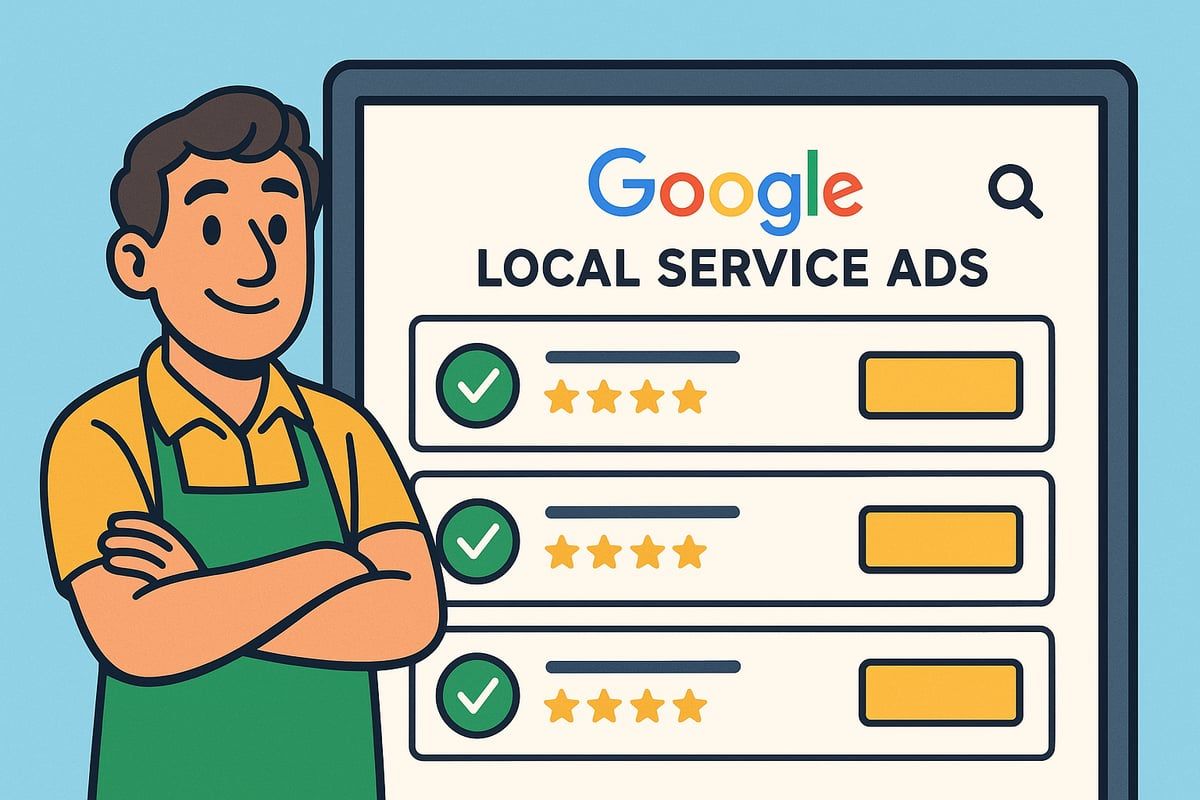
Google local service ads have changed the way small businesses connect with local customers in 2026. These ads have evolved rapidly, offering a streamlined path for searchers to find trusted local providers. Unlike traditional Google Ads or organic results, google local service ads appear right at the top of relevant searches, above both
pay-per-click and organic listings. They operate on a pay-per-lead model rather than pay-per-click, meaning you only pay when a real potential customer contacts you. The layout features business details, reviews, and the Google Verified Badge, which replaced multiple trust signals. This badge is a big trust builder for customers seeking reliable services.
What Are Google Local Service Ads?
Google local service ads are a special type of advert that helps local businesses connect with customers searching for their services. Launched several years ago, LSAs have evolved to prioritise trust, transparency, and user experience. Unlike standard
Google Ads, these appear above all other results and feature a pay-per-lead structure, so you are only charged for genuine enquiries.
What makes google local service ads unique is their use of trust signals like the Google Verified Badge, visible reviews, and direct contact buttons. Users can see at a glance if a business is trustworthy and contact them via call or message. This combination of placement, trust, and direct connection sets LSAs apart from other ad formats.
Key Benefits for Local Businesses
Choosing google local service ads offers several powerful advantages for local businesses. First, you only pay for valid leads, not for every click or impression, which makes your ad spend go further. Enhanced trust comes from the Google Guarantee or Screened badges, giving customers peace of mind about your services.
Other key benefits include:
- Increased visibility for verified, local providers
- Direct contact options like phone calls and messages
- Higher conversion rates due to trust badges and reviews
- Priority placement in search results
Many small businesses have seen real growth by leveraging google local service ads, enjoying a steady stream of quality leads that help them stand out in their competitive local markets.
Industries and Services Eligible in 2026
In 2026, Google local service ads cover a broad range of industries, making them accessible to more businesses than ever. Main sectors include home services (plumbers, electricians, cleaners), legal professionals, and care providers. Recent updates have expanded eligibility to some wellness, tutoring, and financial services.
A quick overview of eligible sectors:
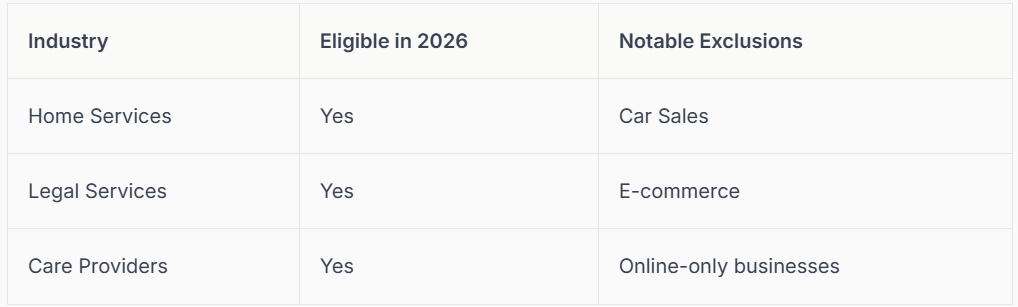
Adoption has soared from 2024 to 2026, especially among trades and legal firms. However, businesses without a physical presence or proper credentials remain excluded from google local service ads.
How LSAs Work: The User and Business Journey
When a customer searches for a service, google local service ads are triggered by keywords and location. The ad format prominently displays trust badges, reviews, and a clear call-to-action. Customers can easily compare providers, read reviews, and contact businesses directly.
The lead process is simple:
- User clicks on an LSA.
- They call or message the business.
- The business receives the lead in their dashboard.
- The business responds and manages the lead.
The dashboard lets you track, respond to, and organise all leads efficiently. This streamlined journey not only builds trust but also increases the likelihood of conversion, making google local service ads a game-changer for local customer acquisition.
Prerequisites: Getting Your Business Ready for LSAs
Before you can succeed with google local service ads, it is crucial to prepare your business properly. This means meeting all eligibility requirements, setting up a strong
Google Business Profile, collecting genuine reviews, and ensuring your compliance and trust signals are in place. Let us walk through the essential steps to get you ready for LSAs in 2026.
Eligibility Requirements and Verification
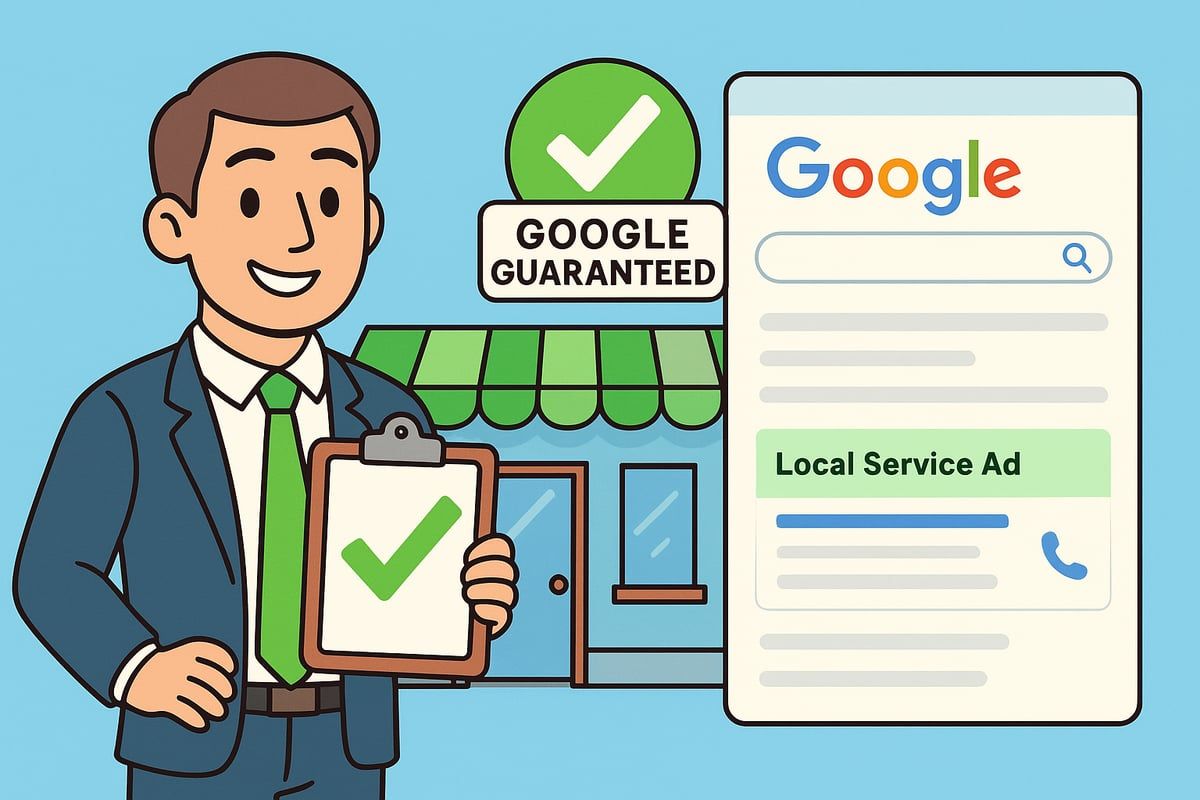
Google takes the eligibility and verification process for google local service ads seriously. In 2026, your business must pass a series of checks, including background screening, insurance verification, and proof of any required licences.
Accurate business information is essential. If your details do not match public records or your documents are out of date, approval can be delayed or denied. According to Google, approval rates have improved, but common pitfalls still include missing paperwork or expired insurance.
Verification matters because without it, your business may not appear in Google Maps or LSAs. Customers are far more likely to trust verified businesses, and competitors with completed profiles will consistently outrank you.
Setting Up a Google Business Profile
A verified Google Business Profile (GBP) is the foundation for google local service ads eligibility. Start by creating or claiming your GBP, then follow the
Google Business Profile verification steps to confirm your business.
Keep your Name, Address, and Phone (NAP) details consistent across the web. Add your services, business hours, and high-quality photos to make your listing stand out. Businesses with fully optimised GBPs consistently achieve higher LSA rankings, so do not skip this step.
Collecting and Managing Reviews
Reviews play a vital role in your success with google local service ads. Positive feedback not only boosts your ranking but also reassures potential customers that you are trustworthy.
Encourage clients to leave genuine reviews after each completed job. You can use simple templates to request feedback, making the process easy for your customers. If you receive negative feedback, respond promptly and professionally to show you care.
In 2026, top-performing LSA businesses averaged significantly more reviews than competitors. Focus on collecting and managing reviews as an ongoing priority.
Ensuring Compliance and Trust Signals
To maximise your results from google local service ads, you need to display Google Guarantee or Screened badges. These require you to maintain up-to-date insurance, clear background checks, and ongoing compliance with Google's policies.
Trust badges lead to a higher lead volume and increased customer confidence. Real-world studies show businesses with badges outperform those without. To stay eligible, regularly review your documentation and respond quickly to any compliance requests from Google.
By following these steps, your business will be ready to make the most of LSAs and attract more local customers.
Step-by-Step: Setting Up Your Google Local Service Ads
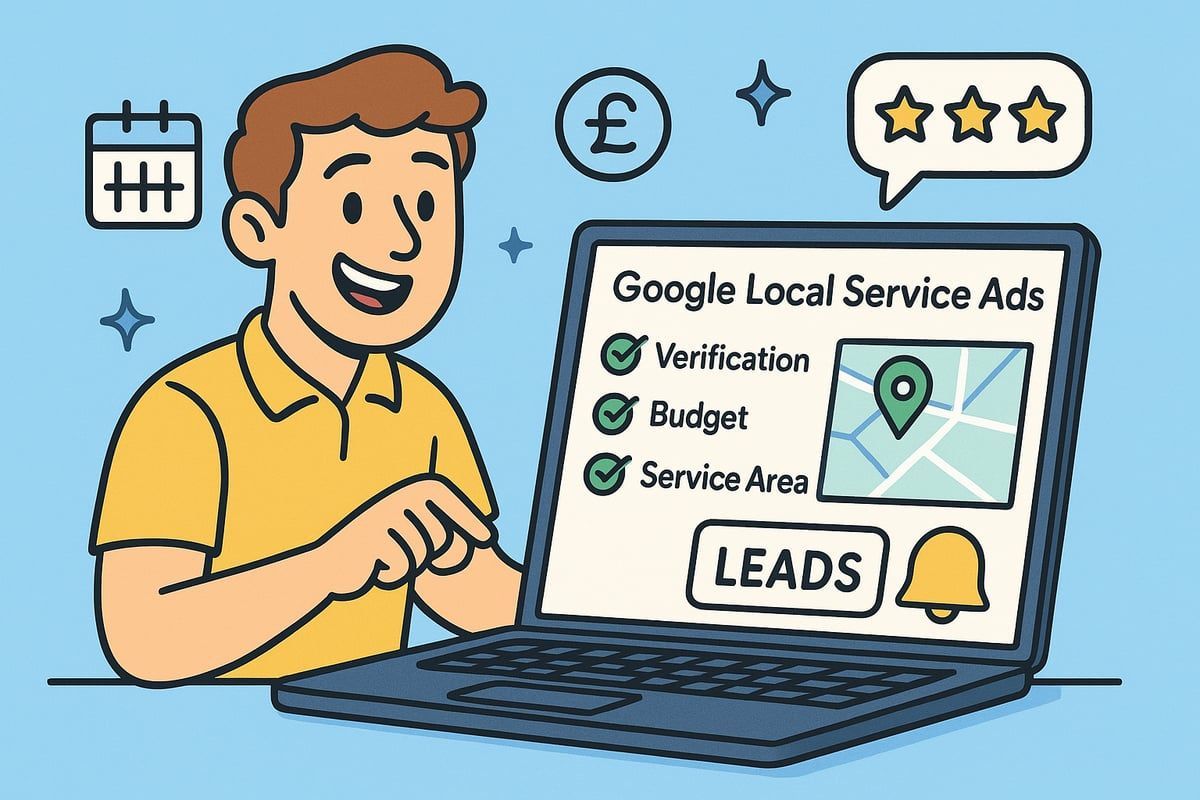
Ready to boost your local business with google local service ads? Setting up your LSAs is straightforward, but each step matters. Let us walk you through the whole process, from creating your account to managing your ads, so you get the best results from day one.
Creating Your LSA Account and Profile
Start by heading to the
Google Local Services Ads portal. If you do not already have a Google account for your business, create one.
Gather all the required details: your business name, address, phone number, website, and service categories. Upload your documents, such as proof of insurance and licences. Choose your service areas carefully, as these will determine where your google local service ads appear.
Set your business hours and double-check your contact details. A complete and accurate profile helps you stand out and ensures customers can reach you easily.
- Visit the LSA signup portal
- Enter business information and documents
- Select service areas and job types
- Set business hours
Once you finish, your profile is ready for verification.
Completing Verification and Background Checks
Verification is essential for your google local service ads to go live. Google will ask for background checks, insurance, and licences relevant to your sector. Use their trusted third-party partners for background screening.
Prepare electronic copies of your business insurance and any trade licences. Submit these promptly to avoid delays. The average verification time in 2026 is about one week, but incomplete submissions can slow things down.
- Submit background check forms
- Provide up-to-date insurance and licensing documents
- Respond quickly to any queries from Google
If your verification is rejected, double-check that all documents match your business name and address exactly.
Setting Your Budget and Bidding Strategy
Google local service ads use a pay-per-lead model, so you only pay for valid customer contacts. Set your weekly or monthly budget based on your goals and expected lead volume. The platform will recommend an initial bid, but you can adjust this to stay competitive.
Factors such as your industry, region, and competition affect lead cost. For example, legal services often pay more per lead than cleaning services. Use the built-in budget calculator to predict how many leads you can get for your spend.
For more guidance on LSA budgeting and strategy, check out Local business ads on Google.
Review your budget regularly. Adjust your bids if you want to increase or decrease your lead flow.
Choosing Services and Service Areas
To get the most from google local service ads, select the job types that match your expertise. Narrow your service area to the locations you can realistically serve. This helps you attract high-quality leads and avoid wasted budget.
Use the service area mapping tool to highlight your main towns or postcodes. For example, a plumber might focus on a 10-mile radius from their base. You can expand or narrow your area anytime to respond to demand.
- Select only relevant job types
- Map your real service area
- Adjust coverage as your business grows
A targeted service area increases your ad visibility with the right customers.
Activating and Managing Your Ads
Once your
google local service ads are live, you can turn them on or off as needed. Use the dashboard to track incoming leads, manage bookings, and respond quickly. Set up notifications so you never miss a new enquiry.
Best practices include responding to leads within minutes, keeping your availability up to date, and marking jobs as completed in the dashboard. During busy seasons, adjust your ad availability to manage your workload.
- Activate or pause ads anytime
- Set up instant lead notifications
- Track and manage leads in one place
Efficient management means more bookings and happier customers.
Optimising Your Local Service Ads for Maximum Results
Winning with google local service ads in 2026 means more than just setting up your profile. It’s about continuous improvement, building trust, and staying ahead of your competitors. Let’s break down the essential optimisation strategies that will help your business shine, attract more leads, and secure your place at the top of local search results.
Ranking Factors: How Google Ranks LSAs
To get the best results from google local service ads, you need to understand how Google decides which businesses appear at the top. The main ranking signals include how close your business is to the searcher, your review count and quality, how quickly you respond to leads, and whether you have a Google Guarantee or Screened badge.
A complete and up-to-date profile is essential. Google prioritises businesses that keep their information accurate and respond to customer queries quickly. For example, in 2026, top-ranking LSA profiles typically have high review averages, recent activity, and verified trust badges.
Let’s compare two local plumbers:
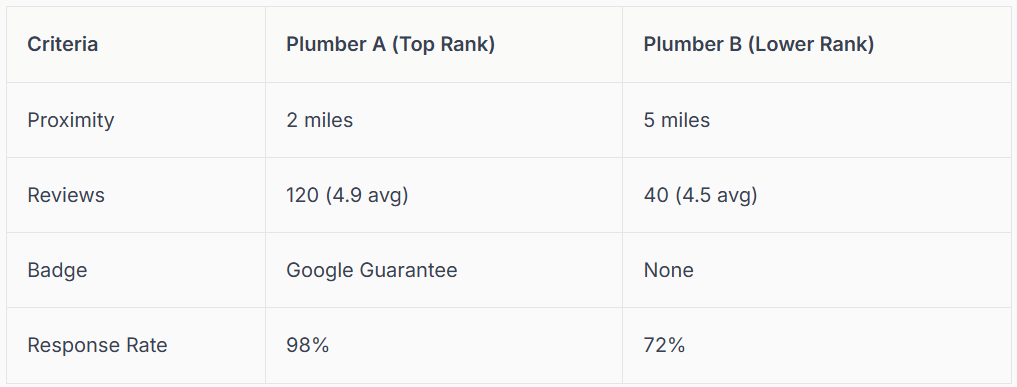
Plumber A’s strong presence in google local service ads means they are more likely to win new business.
Building Trust: Reviews, Badges, and Response Rates
Trust is the currency of google local service ads. Promptly responding to leads not only improves your ranking but also reassures potential customers that you care about their needs.
Encourage every happy client to leave a review. The more positive reviews you have, the higher you’ll climb in search results. Aim for consistency, and always thank customers for their feedback.
Google Guarantee and Screened badges signal that your business is vetted and trustworthy. These badges often increase click-through and conversion rates. In fact, businesses with more than 75 reviews and a badge typically see up to 40% more leads compared to those without.
Here are some ways to build trust in google local service ads:
- Respond to leads within minutes.
- Ask for a review after every successful job.
- Address negative feedback quickly and professionally.
Profile Optimisation: Photos, Services, and Descriptions
Your profile is your digital storefront on google local service ads. High-quality, relevant photos make your business feel approachable and professional. Update your images regularly to reflect your current team, vehicles, or completed projects.
Write clear, compelling service descriptions using natural language. Let customers know exactly what you offer, and keep all details current, including business hours and contact information.
A well-optimised profile stands out. For example, a plumber who uploads fresh before-and-after photos, lists all available services, and updates their holiday hours will attract more leads.
Data shows that businesses investing time in profile optimisation on google local service ads experience up to 30% higher lead conversion rates.
Managing Leads and Customer Communication
Effective lead management is the backbone of success with google local service ads. Respond quickly and professionally to every enquiry. Use scripts or templates to save time and maintain a consistent, friendly tone.
Track each lead’s status in your dashboard, from first contact to booking or completion. This helps you avoid missed opportunities and keeps your pipeline organised.
Consider this simple workflow for managing google local service ads leads:
- Receive a notification for a new lead.
- Respond within 5 minutes using a friendly template.
- Update lead status in your dashboard.
- Follow up with a call if there’s no reply within an hour.
- Request a review after the job is done.
Staying organised ensures you never lose a potential customer in google local service ads.
Google Business Profile Verification: The Foundation for LSA Success
Verification is the key to unlocking the full power of google local service ads. Without it, your business may not appear in Google Maps, and customers are less likely to trust unverified listings. Competitors with verified profiles will always outrank you.
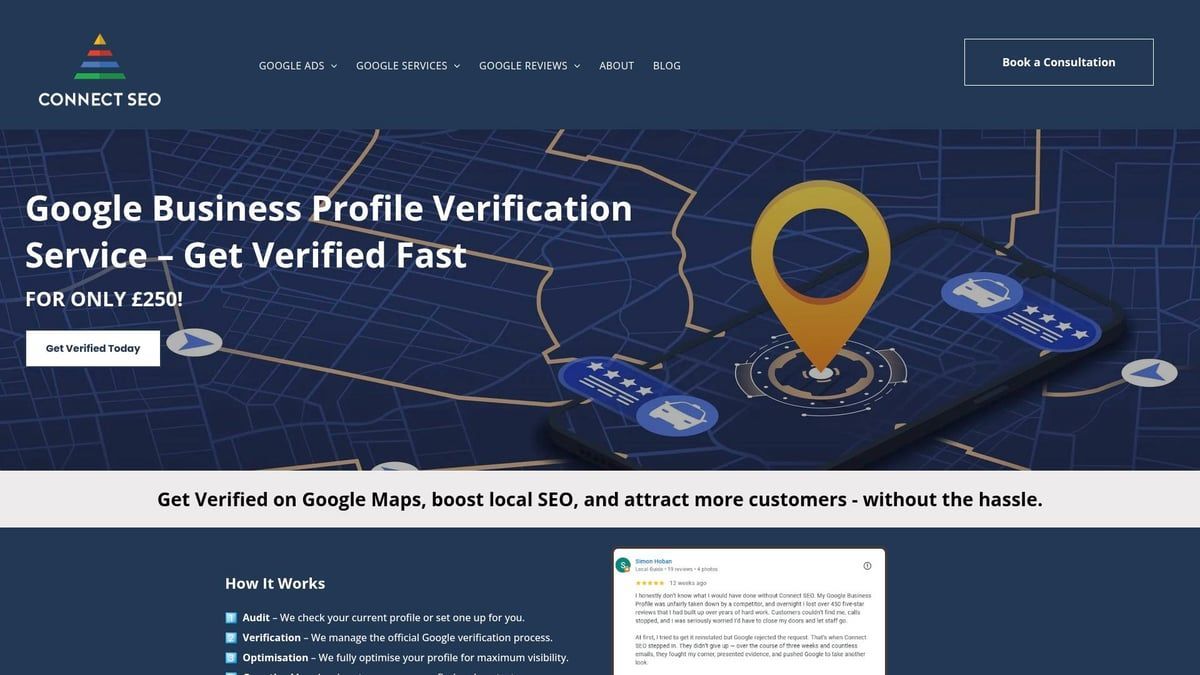
Many local service providers struggle with verification or face common challenges like inconsistent business information. At Connect SEO, we offer a fast, professional Google Business Profile verification service to help you get visible on Google Search and Maps, so customers can find and contact you easily.
Verified businesses consistently outperform unverified ones in google local service ads rankings. If you want to streamline your verification, profile optimisation, and ongoing support, expert help can make all the difference.
Advanced Optimisation: Scheduling, Negative Keywords, and More
Fine-tuning your google local service ads strategy helps you get the most from your budget. Use scheduling to control when your ads appear, matching your business hours or peak demand times.
If available in 2026, negative keywords can help you block irrelevant job types or unwanted locations, ensuring you only pay for leads that matter. Adjust your bids to maintain profitability, especially during busy seasons.
For example, a landscaping business might schedule ads to run only during spring and summer, while blocking snow removal jobs. Regularly monitor your ad performance and make small adjustments to maximise ROI from google local service ads.
Measuring Success: Tracking, Analytics, and ROI
Tracking your results is vital if you want to get the most from google local service ads. With a clear view of your leads, bookings, and ROI, you can make smarter decisions and stay ahead of local competitors.
Understanding LSA Reporting and Analytics
Google local service ads offer a user-friendly dashboard that lets you track leads, bookings, and ad spend in real time. The dashboard highlights key performance metrics such as cost per lead (CPL), conversion rate, and booking rate.
You can export lead data for deeper analysis or use monthly performance reports to spot trends.
Average conversion rates vary by industry, so keep an eye on your sector's benchmarks. Regularly checking your dashboard helps you adjust your strategy and maximise your ad budget.
Integrating LSAs with Google Analytics and CRM
Connecting google local service ads to tools like Google Analytics enables you to track the full customer journey. By linking your LSA dashboard, you can see which keywords and locations drive the most leads.
Importing leads into your CRM system ensures no opportunity slips through the cracks. For example, some businesses create workflows that automatically assign leads from LSAs to team members for fast follow-up.
Integrated reporting gives you a clearer picture of where your best customers come from. This insight helps you refine your targeting and improve your marketing ROI.
Calculating and Improving ROI
Calculating ROI for google local service ads is simple. Use this formula:
ROI = (Revenue from LSA Leads - Ad Spend) / Ad Spend x 100%
Identify which job types and locations bring in the highest value, then adjust your bids and budget accordingly. For instance, optimising your Google Business Profile can boost your LSA performance, as detailed in the Google Business Profile optimisation guide.
Benchmark your results against industry averages for 2026. Regular improvements—like better profile images, more reviews, or faster response times—can dramatically raise your return on investment.
Identifying and Disputing Invalid Leads
Not every lead from google local service ads will be relevant or genuine. Valid leads are those that fit your services and location, while spam or irrelevant enquiries can be disputed.
Google provides a straightforward dispute process within the LSA dashboard. Simply select the lead, explain why it’s invalid, and submit your claim. Many businesses see a high success rate, especially when disputes are well-documented.
Tracking and disputing invalid leads helps you avoid wasted spend and ensures your budget goes towards real opportunities.
Scaling Up: Multi-Location and Franchise Strategies
If your business operates in multiple areas, scaling google local service ads requires careful planning. Decide if you’ll manage all locations centrally or give each branch its own profile and dashboard access.
Consistency is key—make sure service areas, business information, and reviews are up to date across all profiles. For franchises, set up workflows to route leads to the right location quickly.
With the right systems in place, even large businesses can manage high lead volumes, maintain quality, and keep customers coming back.
The Future of Google Local Service Ads: Trends and Predictions for 2026
The landscape for google local service ads is changing faster than ever. In 2026, we're seeing exciting innovations, smarter automation, and new ways to build trust with local customers. Let’s explore what these shifts mean for your business and how you can stay ahead of the curve.
Evolving Features and Industry Expansion
Google local service ads are expanding into new industries, with 2026 bringing more opportunities for sectors like healthcare, education, and personal services. The introduction of in-app booking, instant messaging, and AI-powered chat support is transforming how customers connect with local providers.
The phasing out of the Local Services Ads mobile app in 2025, means businesses now use streamlined web-based dashboards for easier management. This shift is designed to support fast-growing sectors and make ad management simpler, especially for multi-location brands.
AI, Automation, and Smart Lead Management
Artificial intelligence is at the heart of the latest google local service ads upgrades. AI-driven lead scoring helps prioritise the best opportunities, while smart scheduling tools automatically adjust ad availability based on real-time demand.
Automated responses, such as AI chatbots, handle first contact with leads, saving time and boosting response rates. These smart features help businesses respond faster, which is key to winning more jobs in competitive local markets. Expect even more automation in the coming years, giving you an edge in efficiency and customer service.
Privacy, Compliance, and Consumer Trust
With new privacy laws and stricter data rules, google local service ads are adapting to ensure transparency and compliance. In 2024, Google required all LSA advertisers to
verify their Google Business Profiles, to protect consumers and raise trust standards.
Customers expect clear information about how their data is used and want reassurance that their details are safe. Maintaining up-to-date insurance, licensing, and verified profiles is now essential for building lasting trust and keeping your ads eligible.
Integrating LSAs Into a Holistic Local Marketing Strategy
To make the most of Google local service ads, businesses are combining them with organic search, Google Business Profile, and traditional PPC. Reviews and reputation management play a crucial role, helping LSAs stand out and convert more leads.
An omnichannel approach—where you nurture leads across multiple platforms—ensures your brand is always top-of-mind. For example, you might use LSAs for instant leads, while email and social media keep potential customers engaged until they're ready to book.
Preparing for What’s Next: Staying Ahead of Competitors
Continuous optimisation is the key to future success with google local service ads. Stay alert for new features, experiment with updates, and keep an eye on competitor activity.
Regularly review Google's official resources and updates to ensure your strategies remain effective and compliant. By staying proactive, your business will be ready to seize every opportunity the future of LSAs brings.
We’ve covered a lot about getting your business noticed with Google Local Service Ads and the importance of having a verified, optimised Google Business Profile. If you’re ready to boost your visibility in 2026 but want to avoid the hassle of verification and profile setup, you don’t have to go it alone. Let’s work together to make sure your business stands out, attracts the right leads, and builds trust with local customers. For friendly expert help every step of the way,
Contact connect SEO Today and let’s get your business ready for success.